Autumn 2025 Budget Explained
What you need to know about the budget & what it means for you
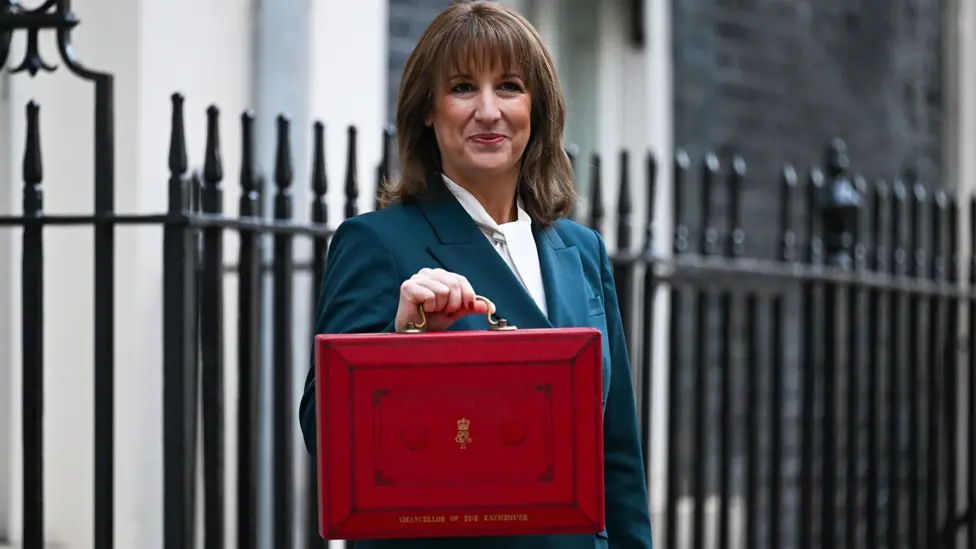
This Budget brings a mix of good news and extra costs. Here’s what it all means in plain English.
The Good
- Training becomes easier to fund → new scheme lets you use money more flexibly for staff training.
- Business rates should be more predictable → fewer unexpected jumps.
The Not So Good
- Wages are going up → your payroll costs will rise.
- Staff may take home slightly less → frozen tax bands mean more tax for them.
- You’ll keep less of your dividends → dividend tax is increasing.
🎓 Apprenticeship Overhaul
Good news! The Apprenticeship Levy is being replaced with the Growth and Skills Levy (GSL) from April 2026.
What This Means:
- More choice in training:
You can spend training funds on short courses, digital skills, marketing, new treatments, sustainability, etc.
- More focus on Level 2 & 3 skills:
These are the practical qualifications salons rely on.
- More funding overall: Over £3 billion will support training in 2025/26.
- Apprentices under 25 are free for SMEs:
You no longer need to pay the 5% contribution — you only pay the apprentice’s wage.
This is one of the best wins for salons in years.
Check out the £820m Youth Guarantee, which will provide paid six-month roles for young people who have been out of work for 18 month
🏪 Business Rates Relief
Big changes are coming to how Business Rates work from April 2026, especially for high street businesses like salons.
What’s Changing:
- Lower tax rate for retail, hospitality, and leisure (RHL) — and salons count as RHL.
- Temporary reliefs are ending, but will be replaced with:
- A Small Business RHL Multiplier (for Rateable Values under £51,000)
- A Standard RHL Multiplier (for RVs £51,000–£499,999)
This switch should bring more predictability and in many cases lower business rates for salons.
💰Wages Are Going Up
Changes to Minimum wages and higher taxes mean you'll take home less so we need to increase prices to help pay staff more to offset the higher taxes
Minimum Wage Increases
- From April 2026, the National Living Wage will rise to £12.71 per hour.
- This is good for staff but means higher wage bills for salon owners.
- A business with 5 staff all on minimum wage will pay an extra £3900 a year
That means you need to increase revenues and profits to breakeven
Staff Take Home Less
- The government has frozen tax thresholds, which means as your staff earn more, more of their pay will get taxed.
- Because staff feel the squeeze, salons may need to raise wages more often to stay competitive and keep good people.
Higher Tax on Dividends
If you pay yourself through dividends (for limited company salon owners):
- From April 2026, dividend tax goes up by 2%.
- This means less take-home pay for owners unless you adjust.
✔️ Next Steps
Here are the practical actions you should start taking:
1. Review Your Pricing & Wage Strategy (Early 2025–2026)
- Work out how the £12.71 minimum wage will affect your weekly and monthly payroll.
- Increase prices to protect your profit.
2. Look at Your Own Pay Structure
If you pay yourself via dividends:
- Review how the 2% tax rise affects your personal income
- Ask your accountant if shifting to salary/bonus/pension makes sense.
3. Make the Most of the New Growth & Skills Levy
Start planning the training your team genuinely needs:
- Use the new Growth & Skills Levy to upskill your team.
- Consider apprentices or funded youth roles to grow affordably.
4. Check Your Salon’s Rateable Value
- Check your salon’s rateable value so you know what you’ll pay from 2026.
5. Build a 2-Year Financial Plan
- Map out wages, pricing, training and hiring now to avoid last-minute pressure.
Related articles