5 Steps for moving to a self employed business model
Making the move to Self Employed? Here's what you need to know!

Changing business models can really benefit salon owners to help reduce costs, stress levels and boost their earnings.
Why is it so important to get it right?
HMRC have recently released new guidelines to determine Disguised Employment in self employed salons. What is Disguised Employment? Click HERE
Risks involved:
- Repercussions can be catastrophic for business owners and staff with fines being as high as £50,000 - who is at risk of disguised employment click HERE
- Employed staff can seek compensation via an Unfair Dismissal claim if the correct process is not followed.
5 Key Steps to transition:
1. Review Your Current Setup
- Check Contracts: Identify current employees and their contract terms.
- Get Expert Advice: Speak to an accountant or legal professional to understand the financial and legal impact.
2. Handle Redundancy Properly
- Formal Process: Ending employment contracts must follow redundancy procedures—not informal agreements or forced resignations.
- Genuine Reason Required: Document business reasons (e.g., restructuring, cost-saving).
- Consult Staff:
- Fewer than 20: individual consultation
- 20 or more: collective consultation + notify Redundancy Payments Service
- Fewer than 20: individual consultation
- Use Fair Criteria if selecting only some roles for redundancy.
- Give Notice & Pay: Follow legal notice periods and provide statutory redundancy pay (if applicable).
- No Pressure: Staff must choose self-employment voluntarily—don’t push them into it.
⚠️ Getting it wrong can lead to legal action, unfair dismissal claims, and HMRC scrutiny. Example: A London salon paid £27,000 in damages for skipping proper redundancy steps and pressuring staff to go self-employed.
3. Set Up the New Model
- Choose a Structure: Fixed chair rent or commission-based.
- Create Contracts: Agreements must clearly outline independent, self-employed terms.
4. Stay HMRC Compliant
- Ensure Autonomy: Self-employed individuals control their hours, pricing, and services.
- Separate Finances: They handle their own bookings, payments, taxes, and insurance.
- Use HMRC’s CEST Tool to verify status and avoid disguised employment. Click HERE
5. Support Your Team
- Keep Staff Informed: Explain the new structure and expectations.
- Offer Guidance: Provide resources on tax, insurance, and running their own business.
How can Slick help?
Slick allows you to be completely HMRC Compliant with separate logins, access, reports self employed staff.
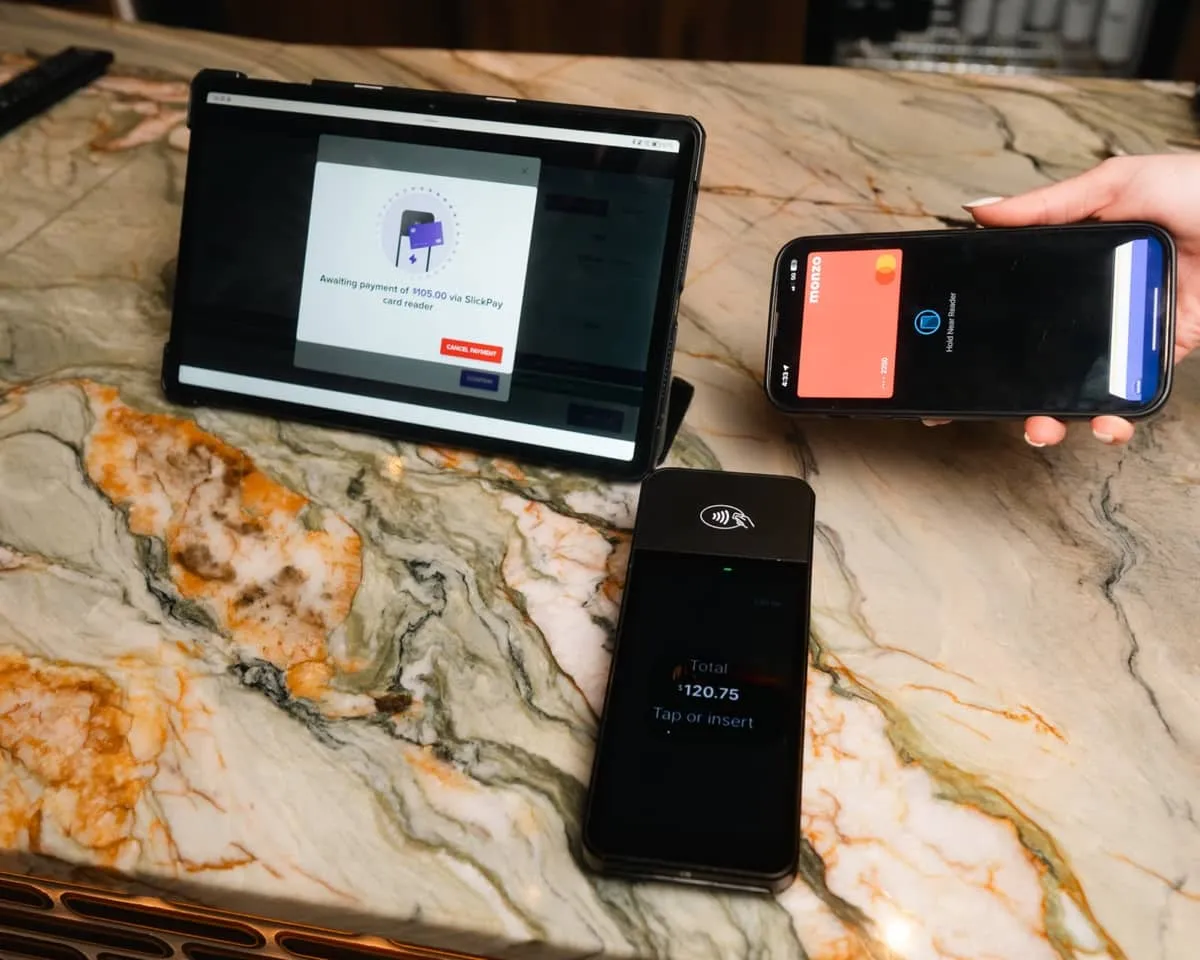
We even allow you to split payments at POS - either direct to staff members for chair renters or split by commissions % for freelancers. To see more info on split payments click HERE
To help guide the process of changing we have an Employed to Self Employed Checklist HERE
As ever, if you need help with any of these steps in Slick, please contact Customer Support via Live Chat.
More helpful content from us on our Instagram:
What is Disguised employment - https://www.instagram.com/p/DF8LEHrpr0A/
Keeping self employment separate - https://www.instagram.com/p/DGLny3OPVr_/
Who is at risk of disguised employment - https://www.instagram.com/p/DGa9oDRo3Hp/
Disclaimer:
The information provided herein is for general guidance purposes only. Slick assumes no responsibility or liability for any business decisions made based on the implementation of these steps. We strongly recommend consulting with qualified legal and financial professionals before making any decisions that may impact your business.
Related articles